Grass Won't Grow in the Shade Under Your Trees? What Actually Works
Quick Answer: Grass struggles under trees because it faces three problems at once: too little light, tree roots taking the water and nutrients, and soil that stays compacted or acidic. The fix is rarely just more seed. Choose a shade adapted grass such as fine fescue, mow taller, overseed in early fall, feed once a year, and let the trees keep their own space with mulch or a groundcover where turf cannot realistically survive. In a Maryland yard with heavy clay and mature oaks or maples, matching the plan to how much sun the spot really gets is what separates a lawn that fills in from one that fails again by August.
You bought the best shade mix on the shelf last September, raked the bare spot under the maple, spread the seed, and watered it faithfully. By October there was a soft green haze. By the following July it was dirt, a few weeds, and a patch of moss where the grass used to be. You did not do anything wrong exactly, and yet the same circle under the same tree looks worse every year while the sunny part of the lawn is fine.
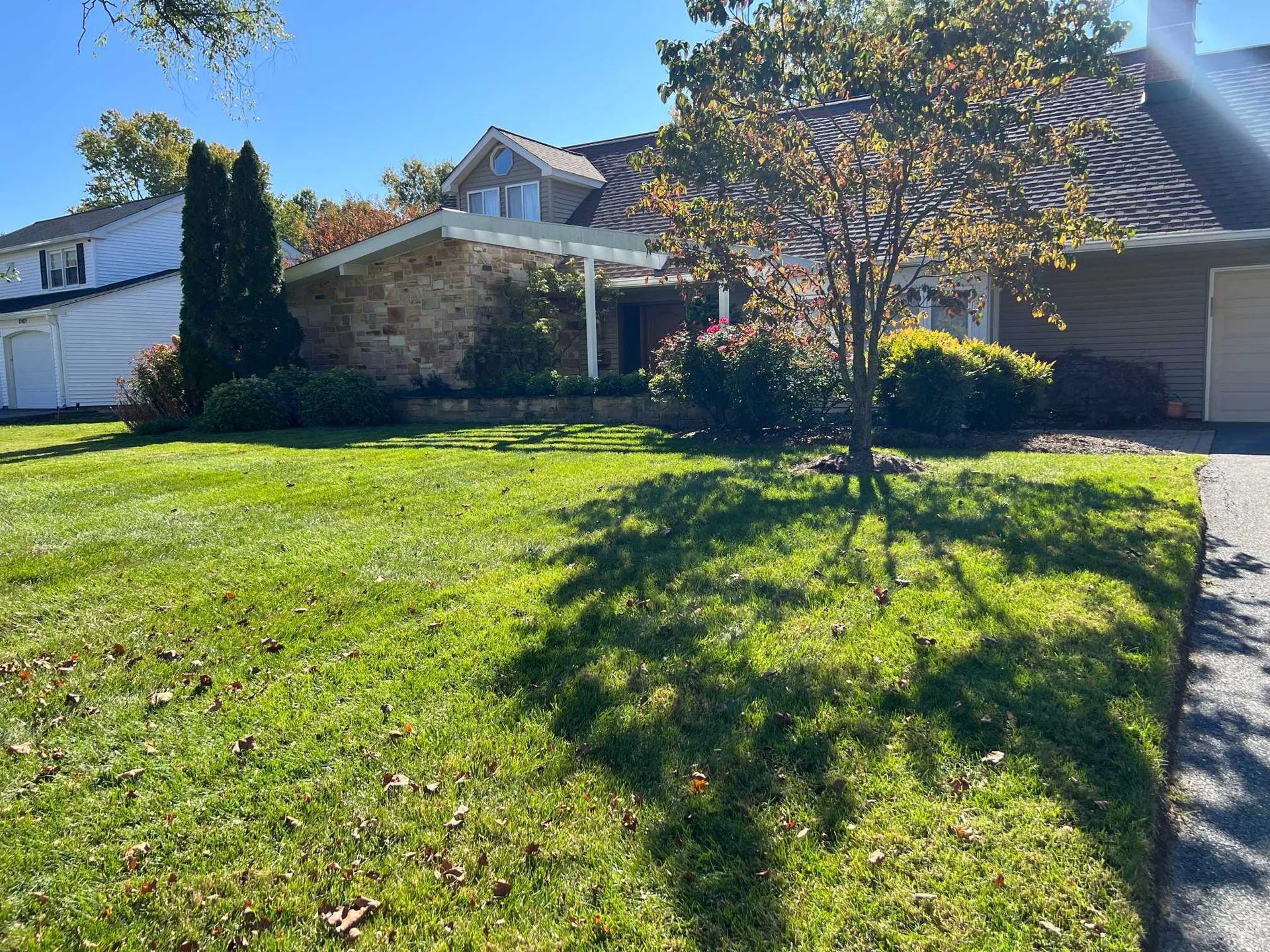
That frustration is common across Bowie, Crofton, Gambrills, and the rest of Anne Arundel and Prince George's County, where mature hardwoods shade a lot of older neighborhoods. The trees are the reason people bought the house, so cutting them down is not the plan. The real question is how to get something healthy to grow underneath them, and the honest answer starts with understanding what the grass is up against.
Why Turf Struggles Under Trees
Light Is The First Limit
Every lawn grass needs sunlight to make the energy it uses to grow roots and recover from mowing. Under a dense canopy, the grass gets a fraction of that energy, so it grows tall and spindly, stays thin, and never builds the deep roots it needs to get through a hot Maryland summer. Turf type tall fescue, the workhorse of most local lawns, needs roughly four hours of direct sun a day to thrive. Fine fescues can get by on closer to two. Zoysia and Kentucky bluegrass, both popular in this region, are poor choices for real shade and tend to fade out quickly in it.
Roots Compete With The Grass
Even where light is decent, the tree has a big advantage. Its roots sit in the top several inches of soil, the same layer grass roots need, and they pull water and nutrients away long before the lawn gets a share. A mature maple can drink a remarkable amount of water on a summer day. That is why shaded grass can look dry and stressed even after a good rain, and why watering the spot harder rarely solves anything.
The Soil Underneath Is Often Poor
Our clay heavy soil compacts easily, and the area under a tree gets walked on, mowed over, and rained on while leaves pile up and break down. Fallen leaves can make the soil more acidic over the years, and compacted clay sheds water instead of absorbing it. Grass roots in that kind of ground have little room to grow and little oxygen to work with.
Shade Holds Moisture On The Leaf
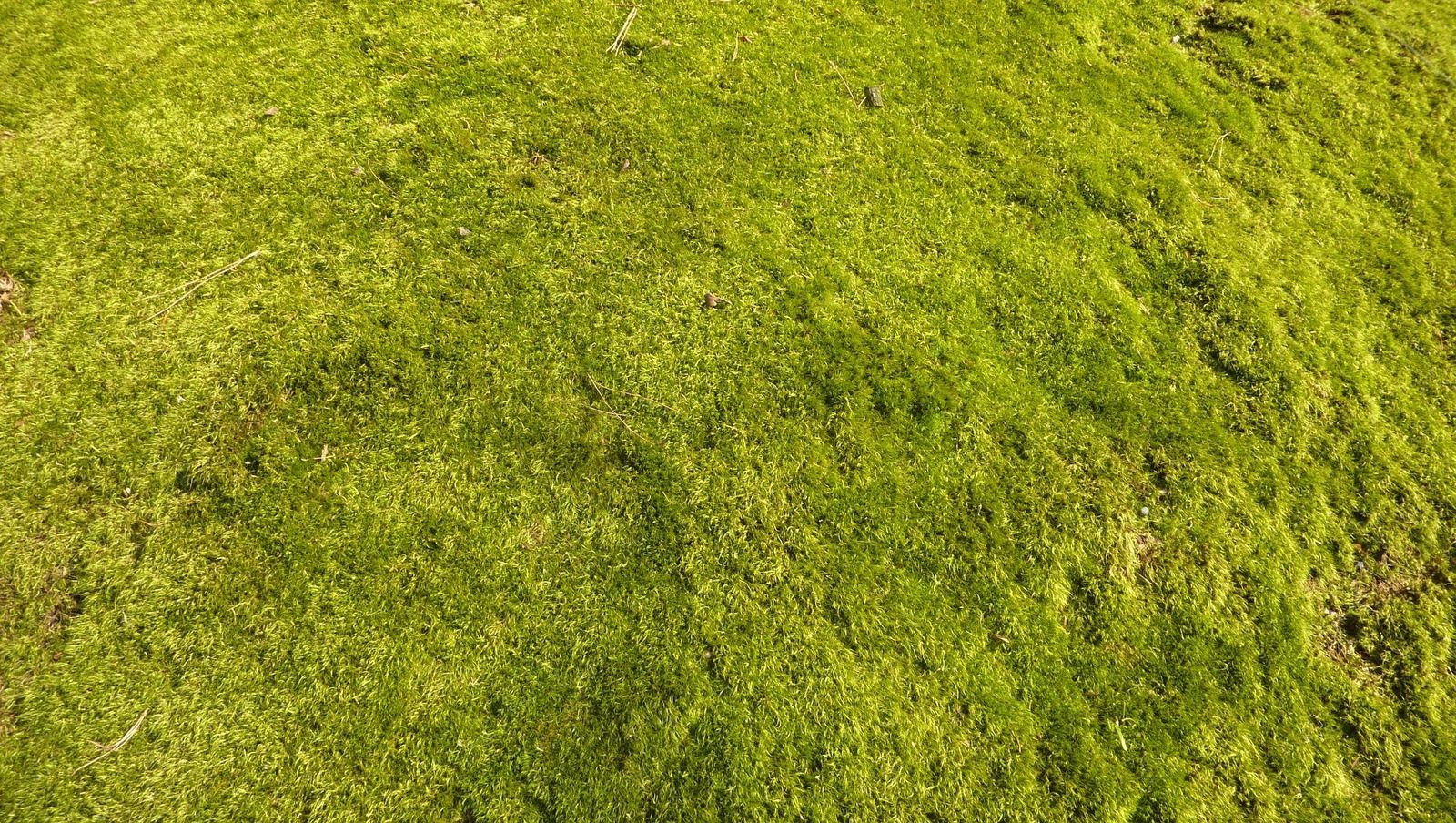
Shaded blades stay damp longer after rain and morning dew, which suits fungus and moss. Thin turf in a humid mid Atlantic summer is an open invitation for both.
Figure Out How Much Sun the Spot Really Gets
Before choosing a plan, spend one day watching the area. Check it in the morning, around noon, and in late afternoon, and note whether the light is full shade, dappled light moving through the leaves, or direct sun that lasts a few hours. Dappled light is much easier to work with than deep, constant shade, and a spot that gets four or five hours of real sun may only need a better seed choice and better habits.
Also look up. A tree that has grown a dense, low canopy since you last paid attention may be blocking far more light than it did five years ago. Evergreens like Leyland cypress and spruce are the hardest cases, because they cast shade all year and drop acidic needles that smother turf. Deciduous trees such as maple, oak, and tulip poplar at least let light through in late winter and early spring, which is when fall seeded grass gets a head start.
Tip: Take a few photos of the same spot at different hours, then compare them side by side. It is far easier to see a pattern in pictures than to remember where the sun landed, and the photos make it simple to explain the site to a lawn professional.
Choose a Grass That Can Actually Handle Shade
University of Maryland Extension ranks the common lawn grasses by shade tolerance, and the ranking is worth knowing before you spend money on seed.
Fine Fescue
Fine fescue varieties, including Chewings, creeping red, and hard fescue, tolerate shade, require less water and fertilizer, and suit quiet areas with minimal foot traffic.
Tall Fescue
Tall fescue performs reasonably well in moderate or dappled shade. Shade-tolerant blends work where sunlight reaches the lawn, but dense shade eventually causes thinning.
Kentucky Bluegrass and Zoysia
Kentucky bluegrass and zoysia require abundant sunlight to thrive. Planting either beneath dense tree canopies often results in thinning grass and persistent bare patches.
When you buy seed, read the tag. A bag labeled for shade may still be mostly tall fescue or bluegrass with a bit of fine fescue mixed in, and the proportions matter. A blend that leans on fine fescue and shade tolerant tall fescue gives you the best odds in the typical Maryland yard. A blend sold for sun will not become a shade blend because the name on the front says so.
Habits That Make Shaded Grass Last
Even the right grass fails if it is managed like sunny turf. Shaded lawns need slightly different care.
Mow Higher
Set the mower at three inches or higher in shaded areas. Taller grass captures more light and develops deeper roots. Avoid mowing during hot, dry periods when growth slows.
Seed in Early Fall
Seed cool-season grass in early fall when soil remains warm and air temperatures cool. Overseed shaded areas every year or two to maintain coverage where grass grows slowly.
Feed Once, in Fall
Shaded grass grows slowly and generally needs only one fall fertilizer application. Test the soil every three years to identify pH problems that could prevent healthy seed establishment.
Water Deeply, Not Often
Water shaded grass deeply and slowly a couple of times weekly to encourage deeper roots. Avoid frequent, light sprinkling, which keeps surfaces damp and encourages moss and fungal growth.
Keep Leaves Off
Remove fallen leaves regularly during autumn to prevent them from smothering grass and seedlings. Wet leaf piles left through winter can also encourage disease and weaken shaded lawn growth.
Open Up the Canopy and Look After the Roots
If the spot truly gets too little light, the tree is part of the solution. A certified arborist can thin or raise the canopy so more light reaches the ground, but only a limited amount of foliage should come out at one time, no more than about a quarter, or the tree suffers. This is an area where careful pruning does a lot more good than aggressive cutting.
Be gentle with the roots, too. Tilling or digging deep to prepare a seedbed can damage the surface roots that keep the tree healthy. Lightly rake the soil, loosen the surface, and add a thin layer of compost before seeding. Heavy regrading under a mature tree is almost never a good idea.
Warning: Do not pile soil, sod, or heavy mulch against the trunk or over the root flare. Burying the base of a tree to level a bare spot can stress it for years, and the damage often does not show up until the tree starts to decline.
When Grass Is Not the Right Answer
Sometimes the honest recommendation is to stop fighting. Where light is minimal and roots cover the surface, no seed mix will give you a lawn, and repeated reseeding just feeds the birds.
Mulch the Area
Apply two to three inches of shredded wood or bark beneath the canopy, extending toward the drip line. Keep mulch six inches away from the trunk to prevent bark rot.
Plant a Shade Groundcover
Hostas, liriope, pachysandra, foamflower, and ferns thrive in shade and tolerate root competition. Avoid invasive plants like English ivy, vinca, and creeping euonymus that spread into nearby natural areas.
Add a Defined Edge
Create a clean border between the lawn and shaded bed to make the landscape look intentional. Edging also prevents grass from spreading into mulch and mulch from washing onto the lawn.
Many Maryland homeowners end up with a mix: fine fescue at the edge where some sun gets in, a mulched bed under the trunk, and a few groundcovers where the light is lowest. It looks intentional, and it asks far less of a spot that was never going to support a thick lawn.
Watch for Moss and Weeds Moving In
When grass thins, something else fills the space. Moss, ground ivy, and shade loving weeds spread into bare soil quickly, and they tell you something useful. Moss points to shade, compaction, poor drainage, or acidic soil, and killing it without fixing the cause only clears the way for more moss. Correct the conditions first, then reseed. If you simply scrape it off and scatter seed, the same patch comes back the next year.
Frequently Asked Questions
What is the best grass seed for heavy shade in Maryland?
Fine fescue, particularly Chewings and hard fescue, is the most shade tolerant cool season option here. A blend of fine fescue with shade tolerant tall fescue works in moderate shade, while very dark spots do better with mulch.
How many hours of sun does grass need under trees?
Tall fescue generally needs about four hours of direct sun daily, and fine fescue can manage with around two. Dappled light moving across the lawn counts toward that total, but full shade without breaks will not support turf.
Why does my seed sprout under the tree and then die?
Seedlings emerge in cool, moist fall weather, but they have shallow roots and compete with the tree for water. By midsummer the tree’s roots, heat, and shade overwhelm them before those roots ever get established.the item or answer the question so that site visitors who are interested get more information. You can emphasize this text with bullets, italics or bold, and add links.
Should I water shaded grass more than the rest of the lawn?
Not more often. Water deeply and let the soil dry between sessions. Constant dampness in shade encourages fungus and moss, while the tree roots can still take much of whatever you apply to the spot.
Can I just add topsoil under the tree to help grass grow?
A thin layer of compost is fine, but deep fill over the roots can harm the tree and still will not solve the light problem. Keep it shallow and keep the soil well away from the trunk.
When is the best time to overseed shaded areas?
Early fall is ideal in Maryland, when the soil is still warm and the canopy is thinning. Repeat it every year or two, since shaded turf rarely thickens on its own without that help.
Getting the Spot Under Your Trees Right
The bare circle beneath your tree is not a sign that you are bad at lawn care. It is the predictable result of light, roots, and soil all pulling in the same direction. Once you look at the spot honestly, the options grow clear: a shade adapted grass with better habits where there is enough light, a tree friendly mulch bed or groundcover where there is not, and a plan that treats the tree as part of the yard.
Shaded yards
are some of the most common problems that turn up on the schedule throughout Crofton, MD, so the pattern of dirt and moss is far from unusual. For 27
years, Allen & Son Lawn Service
has assessed these spots one at a time, tested the soil, and built a plan around what each patch can genuinely support. Matching the approach to how much sun the ground really gets is what separates a lawn that finally fills in from one that fails again by August.