
Why Professional Paver Installation Prevents Cracking, Shifting, and Drainage Issues
Properly installed pavers transform outdoor spaces, providing durability, aesthetic appeal, and functional benefits that can last decades. From driveways and walkways to patios and commercial pathways, paver installations are an investment in property value and long-term performance. However, improper installation can lead to costly problems such as cracking, shifting, and drainage issues. Understanding the importance of professional installation is critical for homeowners, property managers, and landscapers aiming to achieve a lasting and visually pleasing result.
The significance of expert paver installation extends beyond appearance. Pavers require precise site preparation, base material selection, correct edge restraints, and accurate leveling to withstand environmental stress and daily use. Failure in any of these areas can compromise structural integrity and result in uneven surfaces, water pooling, and accelerated wear. This blog explores the reasons why hiring professional services is essential, providing actionable insights into preventing common problems while maximizing the lifespan and performance of paver surfaces.
1. Site Preparation: The Foundation of Long-Lasting Pavers
Importance of Proper Excavation
The stability of pavers begins with thorough site preparation, which sets the stage for long-term durability. Excavation removes unsuitable soil, organic matter, rocks, and other debris that can compromise the base layer and lead to uneven settling. Professionals assess soil type, load-bearing capacity, and site conditions to determine the optimal depth of excavation, ensuring the foundation supports anticipated traffic, weight, and environmental stresses for decades of reliable use.
Base Material Selection and Compaction
Choosing the correct base material is crucial to preventing cracking, shifting, and long-term structural problems. Crushed stone, gravel, or a combination of layers provides a stable, permeable foundation that withstands heavy use. Compaction using mechanical equipment eliminates voids, achieves uniform density, and significantly reduces the risk of settling or movement. Inadequate compaction can lead to differential movement, where some pavers sink while others remain elevated, ultimately causing uneven surfaces, joint misalignment, and structural weaknesses that are expensive to repair over time.
Real-World Scenario
Consider a driveway installed without adequate excavation, proper base material, or sufficient compaction. Within months, tire tracks, foot traffic, and environmental factors create noticeable depressions and uneven areas. Over time, water infiltration exacerbates the problem, and shifting pavers require costly repairs or full replacement. Professional installation eliminates these issues by prioritizing the foundation, the first and most critical step in ensuring long-term performance, durability, and consistent visual appeal for any paved surface.
2. Edge Restraints: Keeping Pavers Secure
Role of Edge Restraints
Edge restraints prevent lateral movement of pavers, which is essential for maintaining a consistent, level, and flat surface over time. Without secure edges, pavers can spread outward, creating gaps, misalignment, and eventual cracking, which compromises both aesthetics and function. Properly installed restraints absorb pressure from foot traffic, vehicles, and environmental forces, keeping the pattern intact, maintaining compression, and minimizing the need for ongoing maintenance or corrective repairs.
Materials and Techniques
Edge restraints can be made from durable plastic, galvanized metal, concrete, or treated timber, with the choice depending on the project scope, expected load, and environmental conditions. Professionals anchor restraints firmly into the surrounding soil, ensuring that pavers remain compressed, aligned, and stable under stress. The addition of polymeric sand along joints further stabilizes the system, preventing erosion, weed growth, and shifting over time while providing a seamless, polished appearance that lasts for years.
Benefits of Expert Installation
Professional attention to edge restraints directly impacts the longevity, durability, and overall quality of the paver surface. Misaligned or weak edges often result in pavers lifting, separating, or shifting during freeze-thaw cycles, heavy rainfall, or repeated vehicle weight. Correct installation ensures resilience, uniformity, and a visually appealing finish that maintains structural integrity, reduces maintenance costs, and prevents common long-term problems associated with poor installation techniques.
3. Drainage Planning: Preventing Water-Related Damage
Understanding Water Flow and Grading
Drainage is a critical aspect of paver installation that is often overlooked by inexperienced installers. Poor grading, insufficient slope, or ignored water pathways can lead to water pooling, accelerated base erosion, paver displacement, and moss or mold growth. Professional installation includes careful site evaluation, mapping natural water flow patterns, and designing solutions to divert runoff away from structures, walkways, and landscaped areas, preserving both functionality and the visual appeal of the paved surface for decades.
Permeable vs. Traditional Paver Systems
Permeable pavers allow water to infiltrate the surface, reducing runoff, protecting surrounding landscaping, and preventing erosion. Traditional pavers require carefully engineered slopes, drainage channels, or catch basins to avoid water accumulation and potential surface damage. Professionals assess soil permeability, rainfall patterns, and climate conditions to recommend the most appropriate system for long-term stability and environmental compliance while maintaining the integrity and usability of outdoor spaces.
Case Example
A patio installed without proper drainage may look flawless immediately after installation. After a heavy rain, water collects in low areas, softening the base, and causing individual pavers to sink, tilt, or separate. Over time, the surface develops unevenness, cracking, and erosion that requires replacement or reinstallation. Expert drainage planning prevents these costly issues, maintaining surface quality, safety, and usability while extending the lifespan of the paved area.
4. Proper Installation Techniques: Precision Matters
Laying Patterns and Joint Alignment
Correctly laying pavers involves more than placing them side by side in a random pattern. Professionals follow engineered patterns, such as herringbone, basket weave, or running bond, that evenly distribute weight and withstand traffic and environmental forces. Inadequate attention to patterns and alignment often leads to uneven surfaces, premature deterioration, and costly repairs, especially in high-traffic areas or areas exposed to frequent freeze-thaw cycles.
Compaction and Joint Sand
After laying pavers, compaction ensures stability, integration with the base, and optimal surface density. Joint sand, often polymeric, fills gaps between pavers to lock them in place, resist shifting, and prevent weed growth. Professionals carefully manage compaction to avoid damaging pavers, while maximizing stability and longevity. Skipping these steps or performing them incorrectly undermines durability, potentially causing shifting, cracking, and erosion that can significantly reduce the lifespan of the paved surface.
Expert Insight
High-quality installation also includes minor adjustments for irregularities, curves, slopes, and obstacles in the landscape. Professionals compensate for these inconsistencies, ensuring that pavers maintain uniform height, alignment, and smoothness. These adjustments prevent uneven surfaces, reduce the risk of cracking under pressure, and protect the structural integrity of the installation against environmental stress over time, ensuring a long-lasting, visually appealing surface.
5. Material Quality and Selection: Reducing Future Problems
Choosing the Right Paver Type
Material selection plays a significant role in preventing common paver issues such as cracking, shifting, and color fading. Concrete, brick, and natural stone each have unique properties that affect durability, aesthetic appeal, water absorption, and load-bearing capacity. Professionals evaluate usage patterns, local climate, and desired appearance to recommend the most suitable option, reducing the likelihood of long-term erosion, structural damage, and expensive replacement needs.
Importance of Thickness and Strength
Heavier traffic areas, including driveways and commercial walkways, require thicker and stronger pavers to withstand repeated weight and environmental stress. Using pavers that are too thin or weak may result in surface deformation, fractures, and expensive repairs over time. Professional installers calculate proper thickness, density, and base support for each project, ensuring that the paved surface meets both functional requirements and aesthetic expectations.
Preventing Common Material Issues
High-quality materials, combined with professional installation, prevent problems such as spalling, surface erosion, fading, and uneven wear. Sourcing pavers that meet rigorous standards ensures a surface that is both attractive and highly functional for decades. Homeowners benefit from reduced maintenance costs, improved property value, and long-term durability, ensuring that paved areas remain safe, visually appealing, and structurally sound.
6. Maintenance Considerations: Extending Lifespan
Routine Cleaning and Inspection
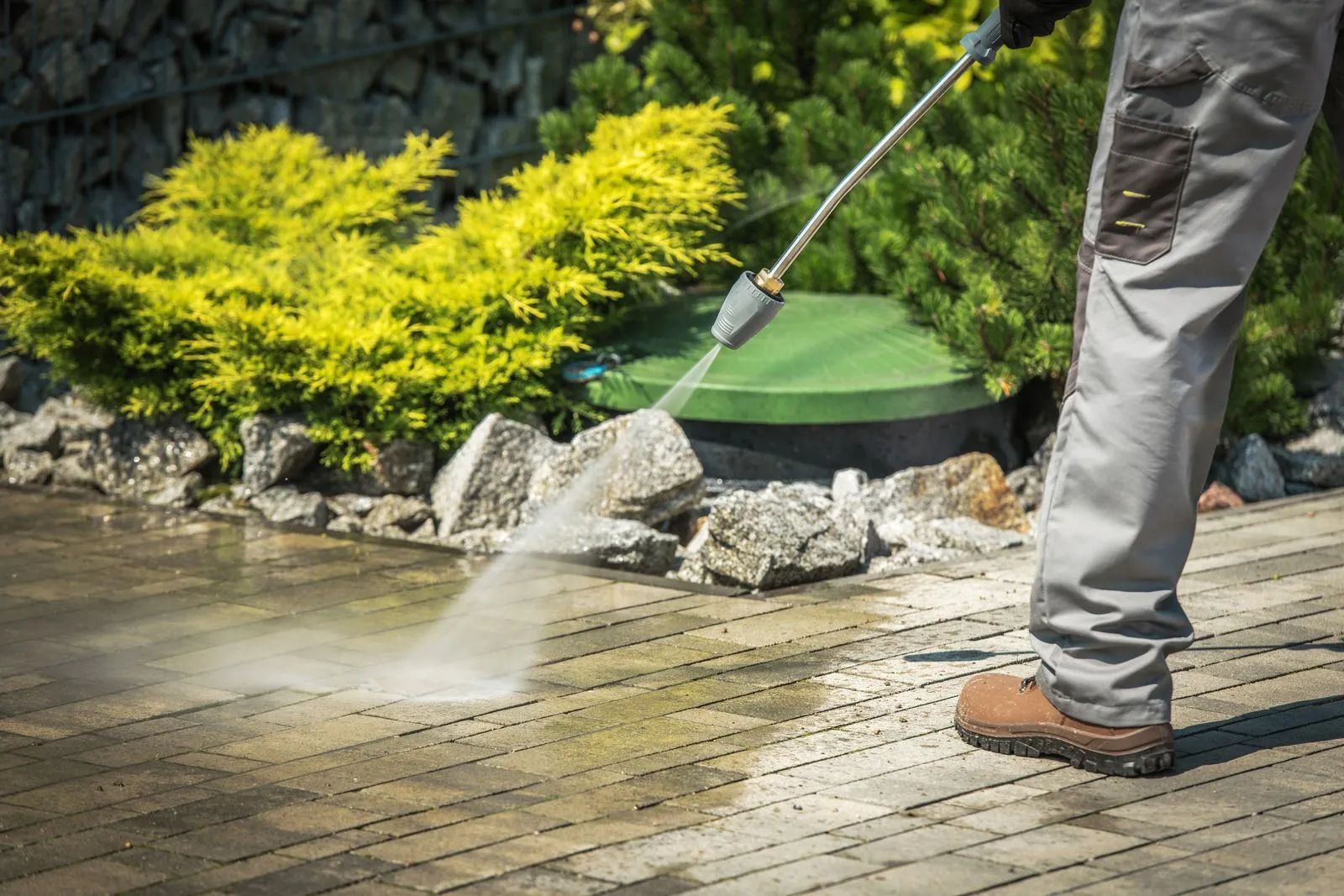
Even expertly installed pavers require periodic maintenance to maintain performance and appearance. Regular sweeping, power washing, and inspection for minor displacement or joint sand loss prevent small problems from escalating into costly repairs. Professional installers provide guidance on appropriate cleaning techniques, environmentally safe solutions, and seasonal maintenance, ensuring that surfaces remain functional, durable, and visually appealing over the long term.
Addressing Minor Shifts Early
Shifting, settling, or minor misalignment may occur gradually due to environmental stress or use. Timely attention, such as re-leveling affected pavers or refilling joint sand, prevents significant problems like cracking, water infiltration, and structural weakening. Professionals emphasize proactive management, helping to preserve the integrity, appearance, and longevity of the paved area while avoiding expensive, large-scale repairs.
Long-Term Investment Benefits
Properly maintained pavers retain their appearance, strength, and structural integrity for decades, providing a long-term return on investment. Combining professional installation with ongoing maintenance ensures that surfaces remain functional, visually appealing, and safe for family, guests, and vehicles. This approach reduces the need for frequent repairs, extends lifespan, and protects property value, making it a smart choice for both residential and commercial spaces.
Professional Installation That Prevents Shifting And Damage
Professional paver installation is essential for preventing cracking, shifting, and drainage issues. Each step, from excavation and base preparation to edge restraints, precise laying, and drainage planning, plays a critical role in ensuring a stable, long-lasting surface. Attention to material selection, thickness, and compaction further reinforces durability, while proper maintenance extends the life of the installation.
At Allen & Son Lawn Service, located in Crofton, MD, our 27
years of experience in paver and hardscape installation allow us to deliver exceptional results with precision and reliability. We prioritize expert site assessment, high-quality materials, and proven installation techniques, ensuring surfaces withstand heavy use and environmental challenges. With our commitment to excellence and customer-focused approach, properties maintain their beauty, functionality, and longevity. Trust us to provide
professional paver installation
that protects your investment for years to come.